Choose a zone rather than a park pin
Kaeng Krachan needs a more precise plan than a single national-park map pin. The reservoir and headquarters area, the Ban Krang forest camp and the upper Phanoen Thung area serve different kinds of visit. A reservoir-side room does not place you at an upper viewpoint, and a photograph of mist over forest does not prove the road to that viewpoint is open. Decide which zone is the reason for the journey before arranging a base.
The Tourism Authority of Thailand identifies Ban Krang as a forest camp on the approach towards Phanoen Thung, with bird and butterfly interest. Its broader park listing also describes reservoir activities and an upper road with controlled access. This helps distinguish the places, but some practical material on the listing is visibly old. Prices, vehicle arrangements and access dates should therefore be checked with the park rather than copied into a fixed itinerary.
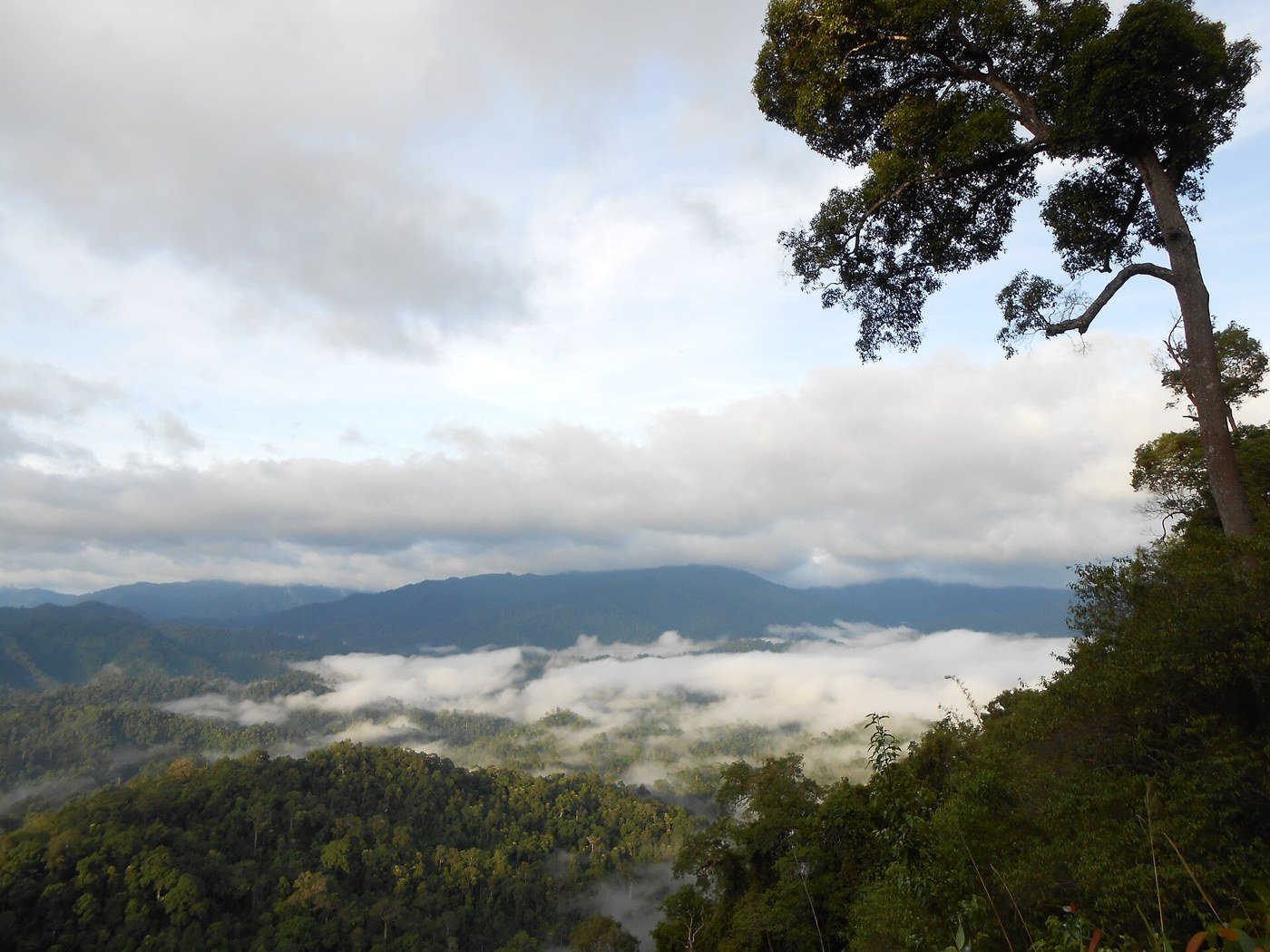

Ban Krang is a distinct wildlife-watching choice
In its article dated 24 June 2026, TAT highlights Ban Krang's butterflies around mineral-rich ground, stream edges and damp forest. It recommends April to June for that interest. This is a seasonal suggestion, not a promise that a particular gathering will appear on your visit. A trip in a different month should not be sold to yourself as the same butterfly event simply because the park remains a worthwhile forest destination.
For birdwatching or photography, leave room for observation instead of collecting a sequence of viewpoints. Follow the routes and stopping places that park staff permit. An animal list describes a habitat, not a guaranteed encounter, and finding a species should not depend on feeding it, playing calls or moving beyond an authorised area. Keep the distinction between viewing wildlife and manipulating its behaviour clear when choosing an excursion.
The upper road has a seasonal restriction
TAT's Thai park listing describes the Ban Krang–Phanoen Thung route as closing from 1 August through 31 October, with the normal seasonal reopening period beginning in November. On 29 October 2026, that published pattern is a reason not to plan an assured upper-road trip. It is not independent confirmation that the road will reopen on a particular morning, nor evidence that every lower visitor area shares the same closure.
Ask the park for the current road notice, the permitted vehicle arrangements, any directional travel windows and the required access procedure before making the upper zone essential to a booking. This guide does not quote old pickup-hire prices or assume an ordinary rental car can make the ascent. A driver offering transport should identify the zone being reached rather than simply promise a Kaeng Krachan tour.
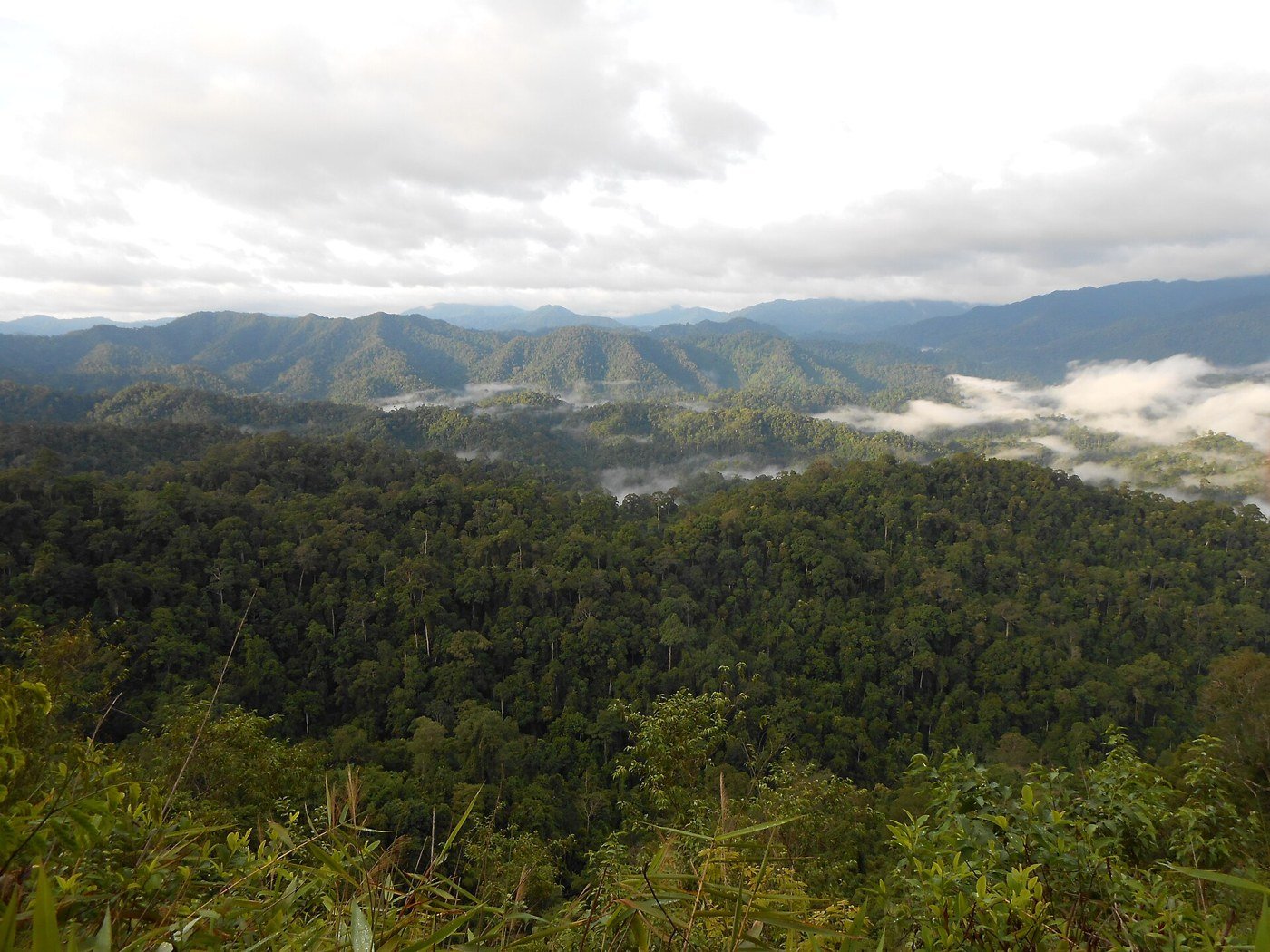

World Heritage status describes the forest, not a sighting
Kaeng Krachan National Park belongs to a wider forest complex recognised by UNESCO. UNESCO describes the complex along Thailand's Tenasserim range as a meeting area for several biogeographic regions, with evergreen and other forest types and important bird diversity. Its conservation importance extends beyond the places a short tourist visit can reach.
The presence of elephants, banteng, large cats and other threatened animals in UNESCO's description should not be read as a visitor checklist. Much of that significance concerns a much larger habitat than the roadside places used for sightseeing. Forest structure, bird activity and the opportunity to observe without disturbance can be the purpose of the visit even when no large mammal appears.
Build the overnight plan around the permitted activity
For a reservoir-focused stay, evaluate access to the reservoir and headquarters-side services. For a Ban Krang or upper-forest outing, establish the departure point and return arrangements for that particular road. These are practical area distinctions, not claims that a chosen hotel is inside the park or within walking distance of a wildlife-watching site. The most relevant hotel detail may be an early departure arrangement rather than a photograph of distant mountains.
Camping and park accommodation require their own availability and permission checks. A campsite named in a tourism page is not a live reservation. If the intended upper visit is unavailable, choose an allowed lower-zone plan because it interests you, or move the journey; do not substitute an unverified track simply to retain an advertised viewpoint.
A deliberately limited first visit
An editorially sensible first visit concentrates on one open zone with a clear purpose: reservoir scenery, Ban Krang forest observation or an authorised upper-road outing. The plan should change if staff report weather or road restrictions. This is not an official itinerary and does not certify that all three options are currently operating.
Before departure, confirm the selected zone, access permission and vehicle arrangement directly with the park. Keep any bird or butterfly expectation separate from the access decision. It is possible to have permission to enter a forest area without seeing a target animal, and possible for a lower park service to operate while the upper road remains restricted.
Sources
Related notes
Kaengkrachan Boathouse Paradise Resort: boat-shaped rooms beside the reservoir
Rai Sooksangchan Resort: a garden retreat with an awkward final approach
Nana Resort Kaengkrachan: gardens and river space with mixed evening comfort
Rim Kaeng Resort: the reservoir view comes before the room finish
Kaengkachan Lake Hill Resort: simple rooms for a birding-led stay